

Hot Water Extraction vs Dry Carpet Cleaning: New Jersey Homeowner Guide
If you are weighing hot water extraction vs dry carpet cleaning in New Jersey, you are not alone. Our coastal humidity in summer and muddy winters make choosing the right method a real decision. For a deeper flush that removes embedded soils and allergens, many homeowners start with professional carpet cleaning using truck-mounted equipment. This guide explains how each process works, when to choose one over the other, and how Steam Team adapts to New Jersey weather and carpet types.
What Is Hot Water Extraction?
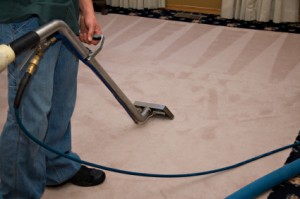
Hot water extraction, often called steam cleaning, uses a pre-spray to loosen soil, mechanical agitation to work it in, and then a rinse and recovery step. A truck-mounted unit heats the solution up to about 240°F at the wand and injects it under controlled pressure, then powerful vacuum lifts out the water along with dissolved soil.
Because the carpet is rinsed, more residues, grit, and allergens are carried away. Many major carpet mills recommend periodic hot water extraction to help maintain appearance and warranty coverage when performed by trained technicians. It is especially effective on salt, sand, and oily traffic lanes that build up during New Jersey’s winter and shoulder seasons.
High humidity slows drying, so our crews set airflow and temperature to help carpets dry faster. In most New Jersey homes, typical dry time after hot water extraction ranges from a few hours to the same day, depending on air movement and indoor relative humidity.
What Is Dry Carpet Cleaning?
Dry cleaning for carpet is a low-moisture method. Technicians apply an encapsulating spray or an absorbent compound, agitate the fibers so the chemistry surrounds soil, and then vacuum to remove the crystalized or absorbed particles once they dry.
This method uses far less water, so carpets often dry in 1 to 2 hours. It is a solid choice for maintenance cleanings, moisture-sensitive installs, or tight timelines when rooms must be used quickly. On heavy soils, it is often paired with targeted hot water extraction on traffic lanes for a deeper reset before returning to low-moisture maintenance.
New Jersey Humidity, Winter Slush, And Drying Time
Summers along the Shore and bays bring sticky air, while winters track in road salt, de-icer, and grit from driveways and transit hubs. These conditions push fine particles deep into the pile and can slow evaporation. Hot water extraction excels at flushing out winter residue. Dry carpet cleaning helps in humid stretches or in rooms with limited ventilation.
For the best results, we balance method and timing with your home’s airflow. We may cool or warm the air a bit, set fans, and keep doors open between rooms to even out humidity. Always check your thermostat fan setting during drying so air keeps moving through the home.
Local insight: On especially humid August days near the Jersey Shore, schedule morning appointments and keep the AC running to speed evaporation. In winter, placing entry mats at garage and porch doors reduces salt transfer into your carpets and helps your post-clean results last longer.
Fiber Types And Warranty Notes
Carpet fiber matters. Nylon is resilient and responds very well to hot water extraction because heat and rinsing release oily soils from the fiber surface. Polyester and triexta resist stains but can hold onto oily spots, so a hot rinse with the right pre-spray helps break that bond. Loop pile and berber designs benefit from controlled moisture and thorough vacuum recovery.
Many major mills specify professional hot water extraction at set intervals to maintain warranty coverage when appropriate for the fiber and construction. Wool and certain specialty backings call for lower temperatures and measured moisture. Avoid over-wetting wool and natural fibers; trained technicians adjust heat, pressure, and passes to protect them.
Allergies And Indoor Air Quality
For households sensitive to dust mites, pet dander, and tracked-in pollen, removing allergen load is the priority. Hot water extraction physically rinses and lifts contaminants from the pile. Dry carpet cleaning reduces moisture and downtime and can be a good maintenance step, but residues are typically vacuumed away over the next few cleanings.
If seasonal allergies flare in spring or fall across New Jersey, we often recommend a restorative hot water extraction first, then low-moisture maintenance visits to keep levels down. For the greatest allergy relief, a full hot water rinse removes more total load in one visit when paired with thorough pre-vacuuming and HEPA filtration on our equipment.
Deep Stains And Real-World Spots In New Jersey Homes
Life happens. Road salt halos in January, shore sand and sunscreen in July, coffee spills during the school rush, and the occasional pet accident. Hot water extraction is the go-to for deep carpet stain removal in NJ because high heat and thorough recovery help dissolve and carry away stubborn soils. Targeted spot treatments, proper dwell time, and a hot rinse reduce the chance of wicking after the carpet dries.
Dry cleaning compounds and encapsulation shine on light to moderate soil loads and recurring spots that reappear due to traffic. They crystalize residues so they release more easily during later vacuuming. When stains are heavy or sticky, pairing both methods gives the best reset.
Method Showdown: Which One Fits Your Home?
- Choose hot water extraction when you need a deep reset, heavy traffic lane recovery, allergy reduction, or post-winter salt and grit removal.
- Choose dry carpet cleaning when fast room turnover matters, humidity is extremely high, or you have moisture-sensitive installs and backings.
Homeowners often ask for the best carpet cleaning method for high humidity in NJ. The honest answer is that method selection should also weigh fiber type, soil level, room use, and weather on the day of service. Our team can sequence both approaches in one visit so you get a deep clean without needless downtime.
Decision Metrics: New Jersey Use Cases
Use the quick checklist below to narrow your choice. Then we will confirm on site after testing fiber type and soil load.
- Nylon living rooms and stairs with oily traffic lanes: start with hot water extraction, add air movement for faster dry.
- Polyester bedrooms with light wear: low-moisture dry cleaning is efficient between deep cleans.
- Basement playrooms with limited ventilation: low-moisture first, then targeted hot water extraction where needed.
- Family members with allergies or asthma: favor a thorough hot water rinse, then maintain with low-moisture cleanings.
If you prefer a single service that resets everything at once, our deep carpet cleaning service with a truck-mounted unit is built for that need. For routine months, a quick low-moisture visit keeps soil from binding to the fibers.
Why Truck-Mounted Steam Carpet Cleaning Matters
When people search for truck-mounted steam carpet cleaning in NJ, they want heat, vacuum, and consistent rinse power. Truck mounts generate higher water temperature and lift, which improves flushing and speeds recovery so less moisture remains in the carpet. That balance helps deliver a cleaner result with controlled dry times even when New Jersey humidity climbs.
Our crews use measured passes and set up air movers where needed. We pre-groom the pile so heated solution contacts all sides of the fiber, then groom again to stand the carpet up for even drying. This attention to detail keeps texture fresh and reduces the risk of wicking.
How Dry Carpet Cleaning Complements The Process
Low-moisture cleaning is a strong maintenance tool. Encapsulation chemistry wraps around fine soil, and agitation breaks it free from the fiber surface. Once dry, those crystalized soils are vacuumed away, which helps delay re-soiling. On commercial-style berbers and busy hallways, low-moisture visits between extractions keep carpets looking crisp.
For mixed-fiber homes or moisture-sensitive areas, we tailor the plan. We might dry clean a basement den while hot water extracting the upstairs family room the same day. This hybrid approach fits New Jersey schedules and seasons.
Furniture, Tile, And The Whole Room Look
Clean carpets make sofas and chairs look better too. If your sectional or dining chairs need attention, we can coordinate care and keep everything drying on the same timetable. Learn how we treat fabrics with gentle chemistry by visiting our upholstery cleaning page. For kitchens and entries, addressing grout haze and ground-in soil completes the refresh during the same appointment window.
Warranty And Maintenance Planning
Most warranties expect professional service at regular intervals and documentation from a qualified provider. We follow factory-minded steps: fiber ID, colorfast tests, pre-vacuuming, targeted pre-spray, agitation, and either a thorough hot water rinse or low-moisture process based on your needs. Check your carpet warranty booklet so we can align your plan with the manufacturer’s language.
To maintain results, schedule restorative hot water extraction after heavy winter use, then leverage dry cleanings to hold the look through humid stretches. Linking your cleaning calendar to New Jersey’s seasons keeps soil from getting a foothold.
Putting It All Together For New Jersey Homes
Here is a simple way to decide. If carpets feel sticky or dark in traffic lanes, start with a hot water extraction to flush the pile. If carpets look fine but feel slightly dull and you need rooms back fast, a low-moisture cleaning is likely the better fit. For many households, alternating methods gives the best year-round outcome.
For more on the steps, photos, and what to expect, explore our overview of hot water extraction vs dry carpet cleaning in New Jersey and how the process lines up with your rooms and routines. You will see how method choice affects drying time, soil removal, and long-term appearance in our climate.
Get Clean Carpets With Confidence
Whether you live inland or closer to the Shore, Steam Team has a plan that fits your fiber type, schedule, and air conditions. If you want a deep, restorative reset, our truck-mounted process is ready when you are. When speed matters most, our low-moisture option keeps downtime short.
Have questions about allergy concerns, nylon vs polyester, or winter salt tracks? Call us at 732-893-7555 and we will recommend the right sequence for your rooms. When you are ready to book, you can schedule a visit and learn about our method details right on our carpet cleaning page. We are proud to help New Jersey homes look and feel their best, season after season.

